
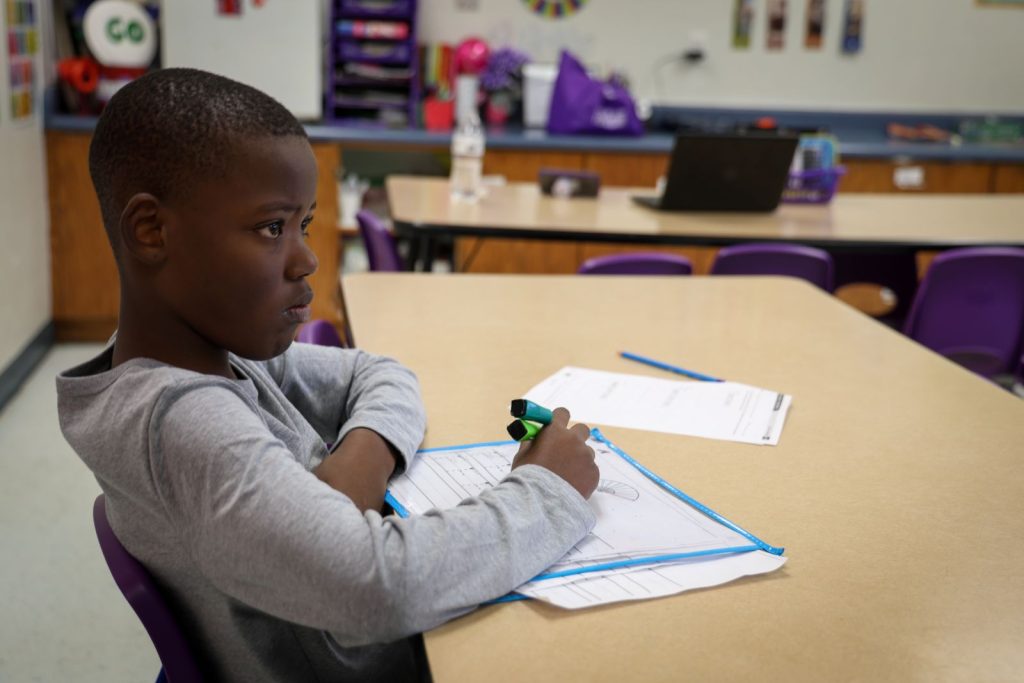
Early learning centers aren’t just daycares; they give children the opportunity to learn valuable skills and knowledge that will last a lifetime. From communication and reading to math concepts and motor skills, the experiences children have during their earliest years help build a foundation for future learning.
Early childhood is an especially important period of development. The Center on the Developing Child at Harvard University explains that early experiences help shape developing brain architecture, providing a foundation for future learning, behavior, and health. That makes everyday opportunities to play, communicate, solve problems, and interact with caring adults particularly valuable.
1. A Variety of Experiences
Young children learn by doing. An early learning center can introduce children to experiences they may not encounter as frequently at home while giving them opportunities to explore familiar activities in new ways.
Depending on their age, children may spend their days listening to stories, creating art, singing songs, playing outdoors, building with blocks, participating in group activities, practicing imaginative play, and much more.
These experiences aren’t simply ways to fill the day. Play and age-appropriate activities give children opportunities to practice problem-solving, communication, creativity, coordination, and other developing skills.
Experiencing new activities can also help children discover their own interests. One child may love music and movement, while another gravitates toward books, puzzles, art, nature, or building. A varied learning environment gives children room to explore all of these possibilities.
2. Exposure to Different Educational Topics
Children begin developing important skills and knowledge long before their first day of school. Early childhood programs can introduce age-appropriate concepts involving:
- Language and early literacy
- Communication and vocabulary
- Numbers, counting, patterns, and shapes
- Colors and creative expression
- Science and the natural world
- Fine and gross motor development
- Social and emotional development
- Problem-solving and critical thinking
These areas of development often overlap. Building a tower, for example, can involve fine motor skills, spatial awareness, problem-solving, creativity, and communication all at once.
The federal Head Start Early Learning Outcomes Framework similarly identifies five central areas of early development: approaches to learning, social and emotional development, language and literacy, cognition, and perceptual, motor, and physical development.
3. Building Skills for the Future
Some of the most valuable lessons children gain in an early learning environment aren’t found in a book.
Spending time with teachers and other children provides regular opportunities to practice sharing, listening, taking turns, communicating needs, working through disagreements, and understanding emotions. Children can begin learning how to participate in a group while still developing their own independence.
These social and emotional skills are an important part of school readiness. Children need opportunities to practice getting along with others, managing emotions, solving problems, and following expectations, and these abilities continue developing throughout childhood.
Early learning environments can also encourage qualities such as curiosity, persistence, confidence, and a willingness to try something new. Rather than simply preparing children to know certain facts, early education can help them develop the skills they will use to continue learning.
4. Preparing for School Routines
Starting school introduces children to more than new academic subjects. It also introduces schedules, transitions, group instruction, classroom expectations, and greater independence.
An early learning center can provide experience with many of these routines before kindergarten begins. Children may become accustomed to:
- Moving from one activity to another
- Cleaning up after themselves
- Listening during group activities
- Following multi-step directions
- Eating and playing on a schedule
- Completing age-appropriate tasks independently
Consistent schedules and routines can help children understand what to expect throughout their day. By the time they enter elementary school, many aspects of a classroom environment may already feel familiar.
5. Learning Alongside Different Children
Early learning centers bring children together, giving them opportunities to interact with peers who may have different personalities, interests, abilities, cultures, languages, and experiences.
A supportive learning environment recognizes that children do not all learn or develop in exactly the same way. Activities can provide different opportunities for children to participate, practice skills, and make progress at an appropriate pace.
Learning alongside other children can also introduce new perspectives and experiences. These everyday interactions give children opportunities to develop communication skills, build relationships, cooperate with others, and begin understanding the larger community around them.
6. More Than Academic Development
Early childhood education isn’t only about preparing children to read, write, or count. Physical, cognitive, social, emotional, and language development all contribute to school readiness and future learning.
A quality early learning environment gives children opportunities to develop across these areas throughout the day. A story can encourage language development and imagination. Outdoor play can build gross motor skills and cooperation. An art project can strengthen fine motor skills and creativity. Even conversations at lunch can help children practice vocabulary, independence, and social skills.
For young children, learning is happening all the time.
Building a Foundation for Lifelong Learning
The early years give children countless opportunities to discover what they can do, learn how to interact with others, and develop curiosity about the world around them. A supportive early learning environment can make those everyday experiences meaningful while helping children build skills they will continue using as they grow.
At Children’s Learning Centers of Amarillo, children from 6 weeks through 10 years old have opportunities to learn, play, build relationships, and develop new skills in an environment designed to support their growth. By combining care with meaningful learning experiences, CLC helps children build a strong foundation for their next classroom and the many experiences that come after it.